Cesspool Installation in Denver, CO
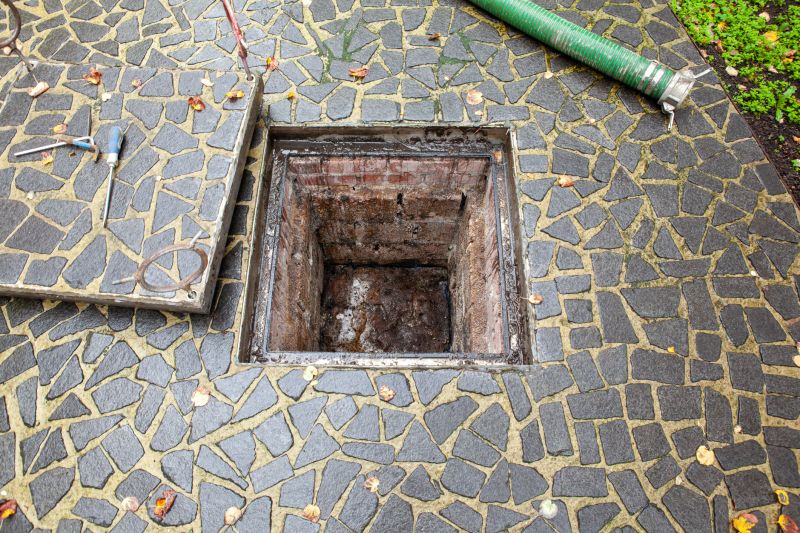
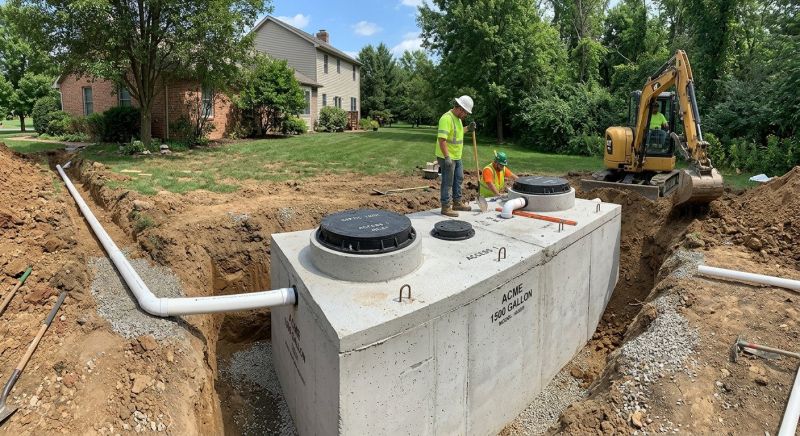
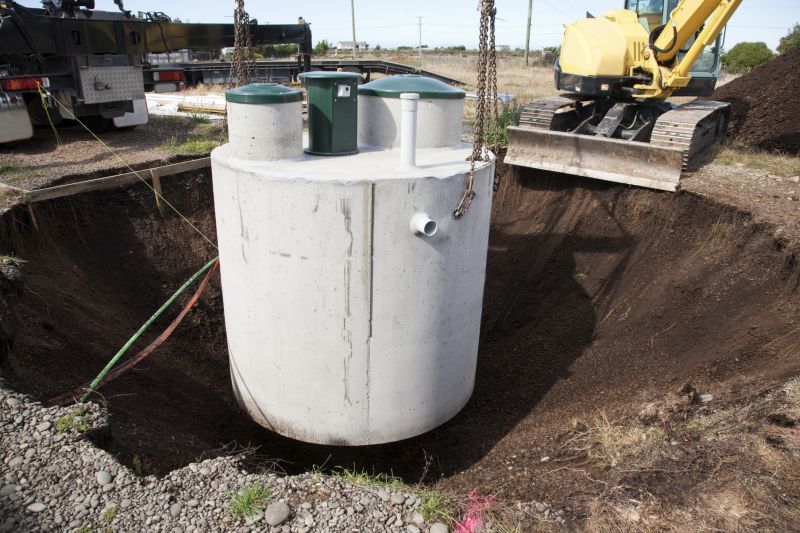
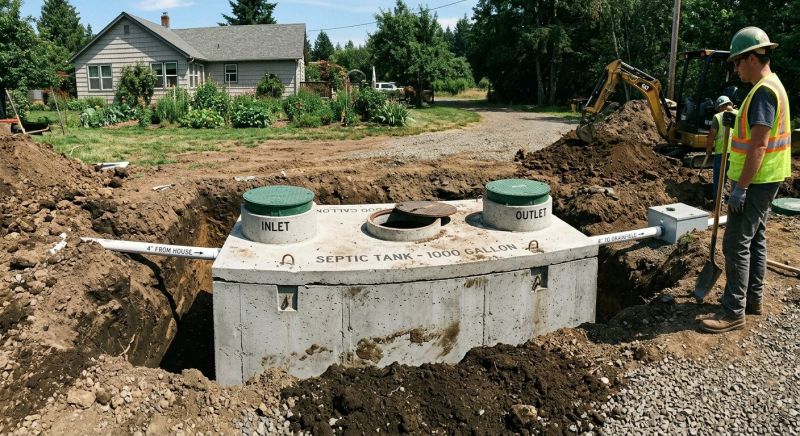
Cesspool installation services involve setting up underground septic systems designed to handle wastewater for properties not connected to a municipal sewer system. These systems typically consist of a tank buried underground where solids settle and liquids are dispersed into the surrounding soil. Property owners may request cesspool installation for new construction projects, property upgrades, or locations where existing systems need replacement or expansion. It’s important to understand the size requirements based on the property’s usage, local regulations governing septic systems, and the site’s soil conditions to ensure proper functionality and compliance.
Before requesting cesspool installation, property owners should consider the size and capacity needed for their household or business, as well as the space available on the property. They may also want to understand the maintenance requirements and lifespan of the system. Additionally, it’s helpful to be aware of local codes and permits required for installation, along with any environmental considerations that could impact system placement. Proper planning and understanding of these factors can help ensure the system functions efficiently and meets the property’s needs.
Many property owners in Denver, CO look into Cesspool Installation for repairs, replacements, upgrades, and appearance-related improvements.
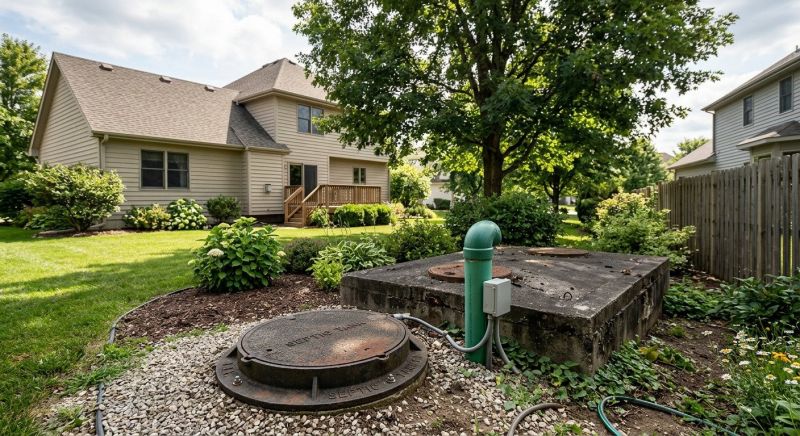
Cesspool System Setup
Proper installation ensures reliable waste management for residential and commercial properties.
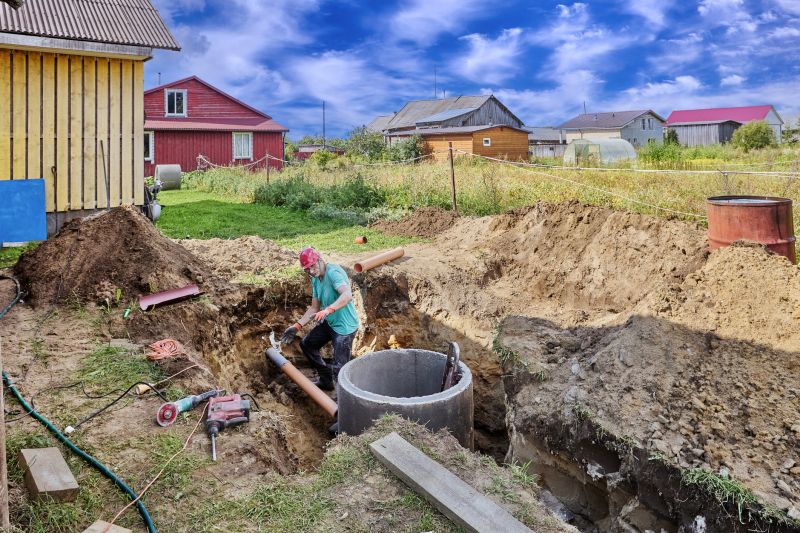
Maintenance And Inspection
Regular checks help prevent backups and extend the lifespan of cesspool systems.
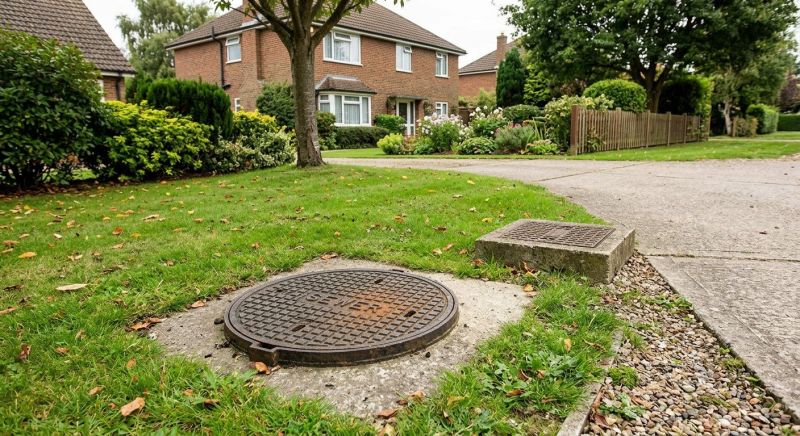
Troubleshooting And Repairs
Addressing issues early can minimize property damage and ensure compliance with local regulations in denver, co.
Cesspool Installation in Denver, CO
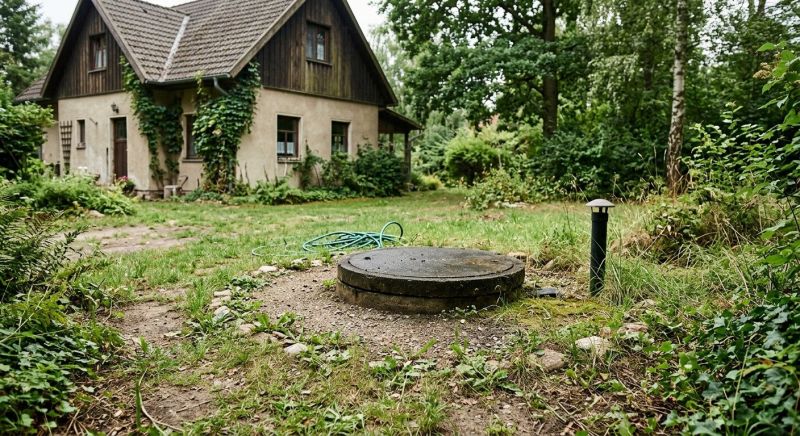
Cesspool installation services involve setting up underground septic systems designed to handle wastewater for properties not connected to a municipal sewer system. These systems typically consist of a tank buried underground where solids settle and liquids are dispersed into the surrounding soil. Property owners may request cesspool installation for new construction projects, property upgrades, or locations where existing systems need replacement or expansion. It’s important to understand the size requirements based on the property’s usage, local regulations governing septic systems, and the site’s soil conditions to ensure proper functionality and compliance.
Before requesting cesspool installation, property owners should consider the size and capacity needed for their household or business, as well as the space available on the property. They may also want to understand the maintenance requirements and lifespan of the system. Additionally, it’s helpful to be aware of local codes and permits required for installation, along with any environmental considerations that could impact system placement. Proper planning and understanding of these factors can help ensure the system functions efficiently and meets the property’s needs.
Many property owners in Denver, CO look into Cesspool Installation for repairs, replacements, upgrades, and appearance-related improvements.
Common Cesspool Installation Jobs
Cesspool Installation - services include installing new cesspools to handle household wastewater.
Septic Tank Setup - designed for properties without access to municipal sewer lines.
System Design - tailored to property size and usage requirements for optimal performance.
Site Preparation - involves excavation and ground leveling for proper cesspool placement.
Component Integration - includes connecting piping and ensuring proper drainage flow.
Maintenance Planning - guidance on ongoing care and inspection to keep systems functioning properly.
Cesspool Installation Questions
What is a cesspool? A cesspool is an underground container that collects and stores wastewater from a property.
When is installation necessary? Installation is needed when a property does not have access to a sewer system or existing septic system.
How does a cesspool differ from a septic tank? A cesspool typically stores waste without treatment, while a septic tank treats waste before dispersal.
What should property owners consider before installation? It's important to evaluate property size, soil conditions, and local regulations before installing a cesspool.
Request Cesspool Installation in Denver, CO
Use the quote form on this page to share the basics of your project and request more information for the type of work you need.